
Royalties play a crucial role in the music industry, providing artists with a steady stream of income for their creative work. These payments are essential for artists to sustain their careers and continue producing music. In recent years, the rise of streaming services like Spotify has revolutionized the way music is distributed and consumed, leading to new opportunities for artists to earn royalties. This article will explore the basics of royalties, the impact of Spotify on the music industry, the concept of eligible Spotify plays, the benefits of royalties eligible Spotify plays, strategies for maximizing royalties, the role of streaming services in the music industry, future trends in royalties, the impact of royalties on independent artists, and success stories of artists who have benefited from eligible Spotify plays.
The Basics of Royalties: Understanding the Concept
Royalties are payments made to artists for the use or exploitation of their creative work. These payments are typically based on a percentage of revenue generated from the use of their music. There are different types of royalties that artists can earn, including mechanical royalties, performance royalties, synchronization royalties, and streaming royalties.
Mechanical royalties are earned when a song is reproduced or distributed in physical or digital formats. Performance royalties are earned when a song is performed or broadcasted publicly, such as on radio or television. Synchronization royalties are earned when a song is used in conjunction with visual media, such as in films or commercials. Streaming royalties are earned when a song is streamed on platforms like Spotify.
The calculation of royalties can vary depending on various factors, such as the type of royalty and the terms of the artist’s contract. For example, mechanical royalties may be calculated based on the number of copies sold or streams generated, while performance royalties may be calculated based on airplay or live performances. It is important for artists to understand how their royalties are calculated to ensure they receive fair compensation for their work.
The Rise of Spotify: How it Changed the Music Industry
Spotify has had a significant impact on the music industry since its launch in 2008. The streaming service has revolutionized the way music is distributed and consumed, making it easier for listeners to access a vast library of songs from various artists. This shift from physical sales to streaming has had both positive and negative effects on the music industry.
One of the major advantages of Spotify is its accessibility. With just a few clicks, listeners can access millions of songs from their favorite artists, discover new music, and create personalized playlists. This has led to a democratization of music, allowing independent artists to reach a global audience without the need for a major record label. Spotify has also introduced features like Discover Weekly and Release Radar, which use algorithms to recommend new music to listeners based on their preferences.
However, the rise of streaming services like Spotify has also led to a decline in physical sales and digital downloads. This has resulted in lower revenue for artists, as streaming platforms typically pay lower royalty rates compared to traditional sales. Additionally, the sheer volume of music available on Spotify can make it difficult for artists to stand out and earn significant royalties.
Eligible Spotify Plays: What They Are and How They Work
Eligible Spotify plays refer to the number of times a song is streamed on the platform by users who have active subscriptions or are listening to ads-supported free accounts. These plays are important because they contribute to an artist’s overall streaming numbers, which in turn determine their royalty earnings.
The calculation of eligible Spotify plays is based on several factors. First, only plays from users who have active subscriptions or are listening to ads-supported free accounts are counted as eligible plays. Plays from users who have canceled their subscriptions or are using unauthorized methods to access Spotify are not considered eligible.
Second, eligible plays are counted based on the number of unique listeners. This means that if a user streams a song multiple times, it will only count as one eligible play. This is to prevent artists from artificially inflating their streaming numbers by repeatedly streaming their own songs.
Finally, eligible plays are also subject to a minimum duration requirement. In order for a play to be counted as eligible, the song must be streamed for at least 30 seconds. This ensures that artists are rewarded for songs that are actually being listened to, rather than just skipped over.
Examples of eligible Spotify plays include when a user adds a song to their playlist and streams it, when a user listens to a song on an artist’s profile page, or when a user discovers a song through a curated playlist and streams it.
Unlocking Success: The Benefits of Royalties Eligible Spotify Plays
Earning royalties from eligible Spotify plays can have several benefits for artists. First and foremost, it provides them with a steady stream of income that can help support their careers. While the royalty rates for streaming services like Spotify may be lower compared to traditional sales, the sheer volume of streams can still result in significant earnings for artists.
In addition to financial benefits, royalties eligible Spotify plays also provide artists with exposure to new audiences. With millions of users on the platform, Spotify offers artists the opportunity to reach listeners from all over the world. This exposure can lead to increased fan engagement, more followers on social media, and ultimately, a larger fan base.
Furthermore, royalties eligible Spotify plays can open up opportunities for collaboration with other artists. As artists gain popularity on the platform and their streaming numbers increase, they may attract the attention of other musicians who are interested in working together. Collaborations can not only result in new and exciting music but also help artists expand their reach and gain new fans.
Maximizing Your Royalties: Strategies for Artists
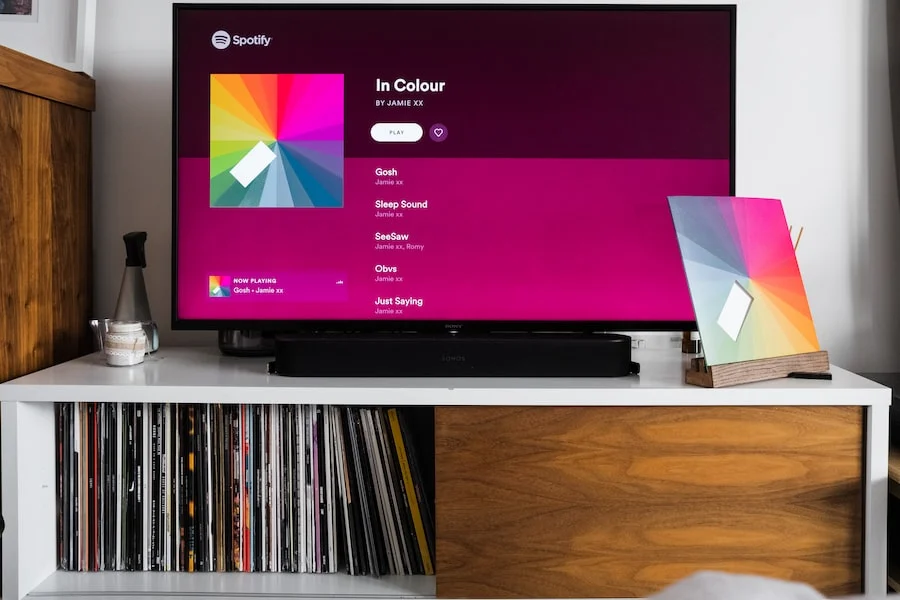
While earning royalties from eligible Spotify plays is important, it is equally crucial for artists to actively work towards maximizing their earnings. Here are some strategies that artists can employ to increase their eligible Spotify plays and overall royalties:
1. Create high-quality music: The first and most important step is to create music that resonates with listeners. Focus on producing high-quality tracks that showcase your unique style and talent. This will increase the chances of your songs being added to playlists and shared by listeners.
2. Collaborate with other artists: Collaborations can help artists tap into new audiences and gain exposure. Look for opportunities to collaborate with other musicians, whether it’s through featuring on their songs or creating a joint project. This can help attract new listeners and increase your eligible Spotify plays.
3. Engage with your audience: Building a strong connection with your fans is crucial for success on Spotify. Engage with your audience through social media, respond to comments and messages, and create a sense of community around your music. This will not only help retain existing fans but also attract new ones.
4. Promote your music: Don’t rely solely on Spotify’s algorithms to promote your music. Take an active role in marketing and promoting your songs. Utilize social media platforms, create engaging content, reach out to music blogs and influencers, and consider investing in targeted advertising campaigns.
5. Utilize Spotify’s features: Take advantage of Spotify’s features to increase your visibility on the platform. Submit your music to official playlists, create your own playlists, participate in Spotify’s editorial campaigns, and utilize artist tools like Spotify for Artists to gain insights into your audience and track performance.
The Role of Streaming Services in the Music Industry
Streaming services like Spotify have had a profound impact on the music industry, transforming the way music is distributed, consumed, and monetized. Unlike traditional sales models where consumers had to purchase physical copies or digital downloads of albums, streaming services offer unlimited access to a vast library of songs for a monthly subscription fee or through ad-supported free accounts.
One of the key advantages of streaming services is their convenience and accessibility. With just a few clicks, listeners can access millions of songs from various artists, create personalized playlists, and discover new music. This has led to a shift in consumer behavior, with more people opting for streaming over traditional sales.
Streaming services have also democratized the music industry, providing independent artists with a platform to reach a global audience without the need for a major record label. Artists can upload their music directly to platforms like Spotify, gaining exposure and earning royalties from eligible plays. This has leveled the playing field and allowed artists from all backgrounds to compete on an equal footing.
However, streaming services have also faced criticism for their low royalty rates. While the volume of streams on platforms like Spotify may be high, the per-stream payout is often significantly lower compared to traditional sales. This has led to concerns about the sustainability of the music industry and the ability of artists to earn a fair income from their work.
The Future of Royalties: Trends to Watch Out For
The future of royalties in the music industry is constantly evolving, driven by emerging technologies and changing consumer behavior. Here are some trends to watch out for:
1. Blockchain technology: Blockchain technology has the potential to revolutionize royalty payments in the music industry. By utilizing smart contracts and decentralized platforms, artists can receive instant and transparent payments for their work. This can help eliminate intermediaries and ensure fair compensation for artists.
2. Artificial intelligence: Artificial intelligence (AI) is already being used by streaming platforms like Spotify to recommend personalized playlists and discover new music. In the future, AI could play a larger role in royalty calculations, ensuring that artists are accurately compensated based on their contribution to a song or album.
3. Virtual reality and augmented reality: Virtual reality (VR) and augmented reality (AR) have the potential to create immersive music experiences for listeners. Artists can monetize these experiences through royalties, offering fans the opportunity to attend virtual concerts or interact with their music in new and exciting ways.
4. Direct-to-fan models: With the rise of social media and direct-to-consumer platforms, artists have more opportunities to connect directly with their fans. This can lead to new revenue streams, such as fan subscriptions, exclusive content, and merchandise sales, which can supplement traditional royalty earnings.
The Impact of Royalties on Independent Artists
Royalties play a crucial role in the success of independent artists. For artists without the backing of a major record label, royalties provide a steady stream of income that can help support their careers and fund future projects. Without royalties, many independent artists would struggle to sustain themselves financially and continue creating music.
In addition to financial benefits, royalties also provide independent artists with exposure and opportunities for growth. Platforms like Spotify allow independent artists to reach a global audience and gain recognition for their work. This exposure can lead to increased fan engagement, more followers on social media, and ultimately, a larger fan base.
Furthermore, royalties can help independent artists build a sustainable career in the music industry. By earning income from their creative work, artists can invest in their craft, improve their production quality, and expand their reach. This can lead to more opportunities for collaborations, live performances, and licensing deals, further increasing their revenue potential.
Royalties and the Business of Music: A Comprehensive Guide
Understanding royalties is essential for music business professionals who work behind the scenes to support artists’ careers. Whether it’s managers, agents, publishers, or record label executives, having a comprehensive understanding of royalties is crucial for negotiating contracts, maximizing revenue streams, and ensuring fair compensation for artists.
Music business professionals need to be familiar with the different types of royalties and how they are calculated. They should also stay up-to-date with industry trends and changes in royalty rates to ensure that artists are receiving fair compensation for their work. Additionally, professionals should be knowledgeable about the various platforms and technologies that impact royalty payments, such as streaming services and blockchain technology.
By having a strong understanding of royalties, music business professionals can effectively advocate for their artists and help them navigate the complex landscape of the music industry. This includes negotiating favorable royalty rates, ensuring proper royalty collection and distribution, and exploring new revenue opportunities.
Success Stories: Artists Who Have Benefited from Royalties Eligible Spotify Plays
There are numerous success stories of artists who have benefited from royalties eligible Spotify plays. These artists have leveraged the platform to gain exposure, increase their fan base, and earn significant royalties. Here are a few examples:
1. Billie Eilish: Billie Eilish is a prime example of an artist who has achieved massive success through Spotify. Her unique sound and captivating visuals have resonated with listeners around the world, leading to millions of streams on the platform. Eilish’s eligible Spotify plays have not only earned her substantial royalties but also helped her secure major record deals and win multiple Grammy Awards.
2. Khalid: Khalid is another artist who has seen tremendous success on Spotify. His soulful R&B tracks have struck a chord with listeners, resulting in billions of streams on the platform. Khalid’s eligible Spotify plays have catapulted him to international stardom, allowing him to collaborate with other artists, sell out arenas, and earn significant royalties.
3. Lizzo: Lizzo’s rise to fame can be attributed in part to her success on Spotify. Her empowering anthems and infectious energy have resonated with listeners, leading to millions of streams on the platform. Lizzo’s eligible Spotify plays have not only earned her substantial royalties but also helped her secure major record deals, perform at major festivals, and win multiple awards.
These success stories highlight the power of eligible Spotify plays in propelling artists to new heights. By leveraging the platform’s reach and algorithms, artists can gain exposure, connect with fans, and earn significant royalties.
In conclusion, royalties play a crucial role in the music industry, providing artists with a steady stream of income for their creative work. The rise of streaming services like Spotify has revolutionized the way music is distributed and consumed, leading to new opportunities for artists to earn royalties. Eligible Spotify plays are an important metric that determines an artist’s royalty earnings on the platform. By maximizing their eligible Spotify plays, artists can increase their revenue, gain exposure to new audiences, and unlock opportunities for collaboration.
It is important for artists to actively work towards maximizing their royalties by creating high-quality music, engaging with their audience, promoting their music, and utilizing Spotify’s features. Streaming services have had a profound impact on the music industry, democratizing access to music and providing independent artists with a platform to reach a global audience. However, there are ongoing discussions about the sustainability of streaming platforms and the need for fairer royalty rates.
The future of royalties in the music industry is constantly evolving, driven by emerging technologies and changing consumer behavior. Blockchain technology, artificial intelligence, virtual reality, and augmented reality are some of the trends to watch out for. Royalties are particularly important for independent artists, providing them with a sustainable income and opportunities for growth in the industry. Music business professionals also need to have a comprehensive understanding of royalties to support artists’ careers effectively.
Overall, eligible Spotify plays and other royalty opportunities present a significant source of income for artists and songwriters. These opportunities allow them to earn money from their music, even if they are not signed to a major record label or have a large following. Additionally, Spotify’s algorithmic playlists and personalized recommendations help expose artists to new listeners, potentially leading to increased streams and royalties. However, it is important to note that the amount of money earned from Spotify plays can vary greatly depending on factors such as the artist’s contract terms, the number of streams, and the country in which the streams occur. Nonetheless, Spotify plays and other royalty opportunities have become an essential part of the music industry ecosystem, providing artists with a platform to showcase their talent and earn a living from their craft.
FAQs
What are Royalties eligible Spotify Plays?
Royalties eligible Spotify Plays are plays on the music streaming platform Spotify that are counted towards an artist’s royalty earnings. These plays are important for artists as they receive a portion of the revenue generated by their music on the platform.
How can buying Royalties eligible Spotify Plays benefit an artist?
Buying Royalties eligible Spotify Plays can benefit an artist by increasing their visibility on the platform, which can lead to more organic plays and followers. This increased visibility can also attract the attention of record labels and other industry professionals, potentially leading to more opportunities for the artist.
Is buying Royalties eligible Spotify Plays legal?
Buying Royalties eligible Spotify Plays is not illegal, but it is against Spotify’s terms of service. However, there are many companies that offer this service and claim to provide real, organic plays that are not detected by Spotify’s algorithms.
How do I know if the Royalties eligible Spotify Plays I am buying are real?
It can be difficult to determine if the Royalties eligible Spotify Plays you are buying are real or not. It is important to do your research and choose a reputable company that has positive reviews and a track record of delivering real plays. You can also look for companies that offer a money-back guarantee or other assurances of quality.
Can buying Royalties eligible Spotify Plays guarantee success for an artist?
Buying Royalties eligible Spotify Plays is not a guarantee of success for an artist. While it can increase visibility and potentially lead to more opportunities, success ultimately depends on the quality of the music and the artist’s ability to connect with their audience.